
Breast
ReadyBreast cancer spheroids evaluated with commercial drugs as a benchmark. A 15-patient panel captures the spectrum of subtypes (ER+, HER2+, TNBC) and their genetic variations.
OrgCan cancer organoids - patient-derived, microenvironment-aware models for personalized drug screening, biomarker discovery and immuno-oncology.
9+ types
Cancer indications
7–14 days
Biopsy to insight
Patient-derived
True to the tumour
Immuno-oncology
Co-culture ready
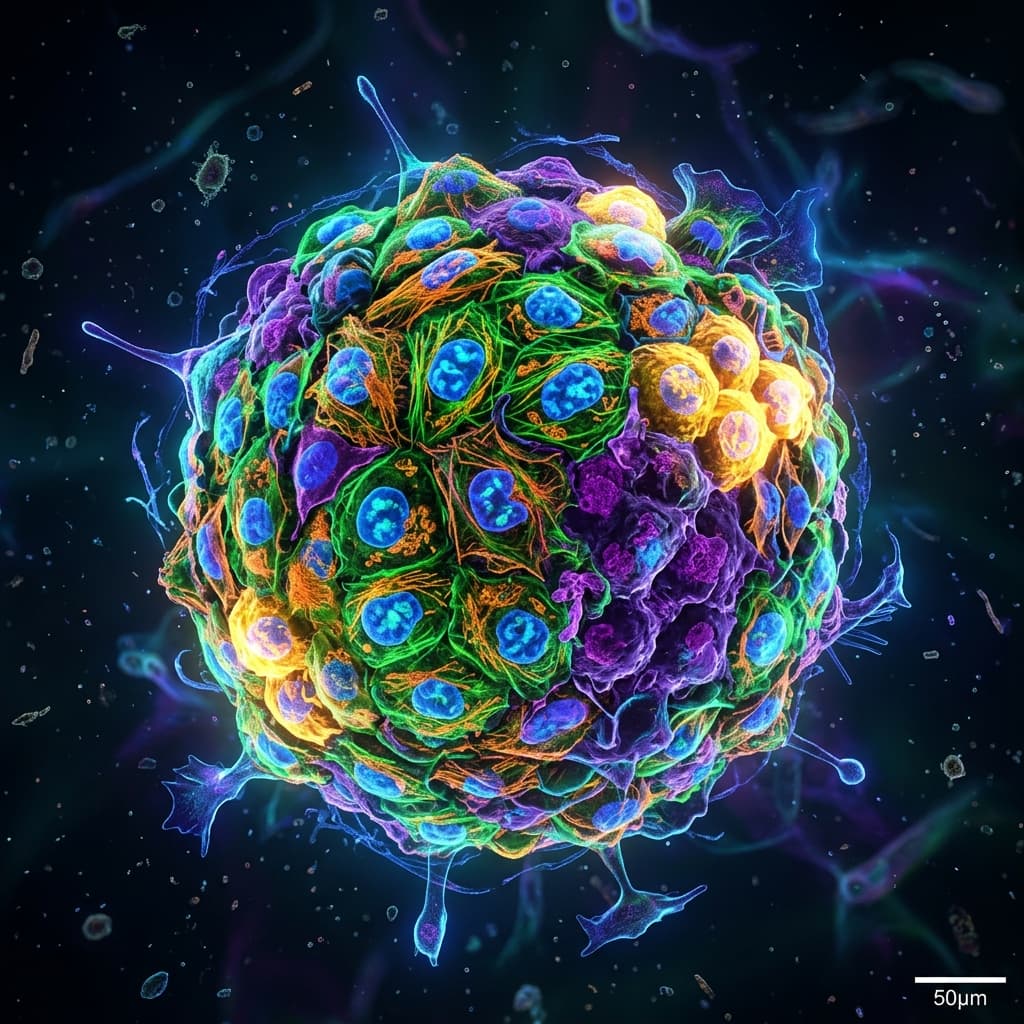
OrgCan cancer organoids are derived directly from patient biopsies or specialised cell lines - preserving the genetic, genomic and phenotypic character of real human tumours.
Derived from human donors for superior clinical predictability.
Faithfully replicates patient response to drug candidates.
Maintains the cellular composition of the original tissue.
Ideal for discovery and validation of new clinical markers.
Ready for collaboration
Available on request
Dermal Papillary Organoids
DFSCs + keratinocytes + fibroblasts - hair growth, strengthening, Anti - Hairfall.
Tonsil Organoids
Lymphoepithelial architecture for immune activation, cell & gene therapy studies.
BioDOrg - Tumour-in-Tissue
Tumour organoids cultured within reconstructed human tissue for microenvironment-accurate response.
Featured collection
15 unique patient-derived organoids capturing ER+, HER2+ and TNBC subtypes and their genetic variation.
Each programme combines patient-derived organoids with the right benchmark, microenvironment and readout for clinically relevant predictions.
Breast cancer spheroids evaluated with commercial drugs as a benchmark. A 15-patient panel captures the spectrum of subtypes (ER+, HER2+, TNBC) and their genetic variations.
Colorectal organoids preserving glandular morphology - for chemotherapy response, targeted therapy, and resistance profiling.
Melanoma tissue model engineered with mutated cancer cell lines integrated into reconstructed human tissue - direct evaluation of novel oncological therapies.
Adenocarcinoma-like glandular morphology - for targeted drug-sensitivity testing and resistance profiling.
HCC organoids to evaluate novel therapeutics against standard-of-care (e.g. sorafenib). Includes HepG2-based liver spheroids expressing CYP450 enzymes for hepatotoxicity and DMPK profiling.
PDL1 expression analysis; standardised tumour-NK (Natural Killer) models for advanced immunotherapy screening and combination evaluation.
 Platform
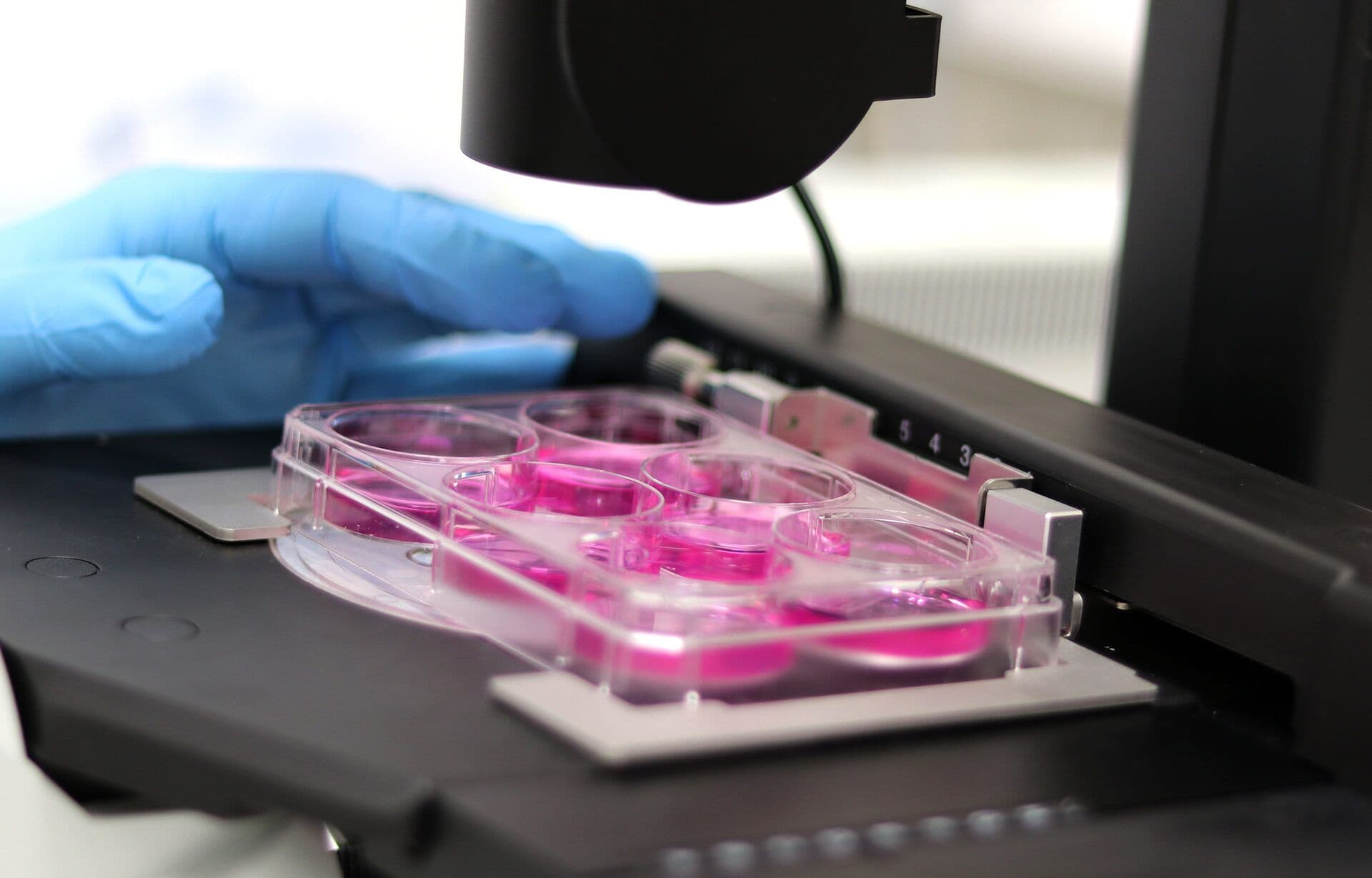
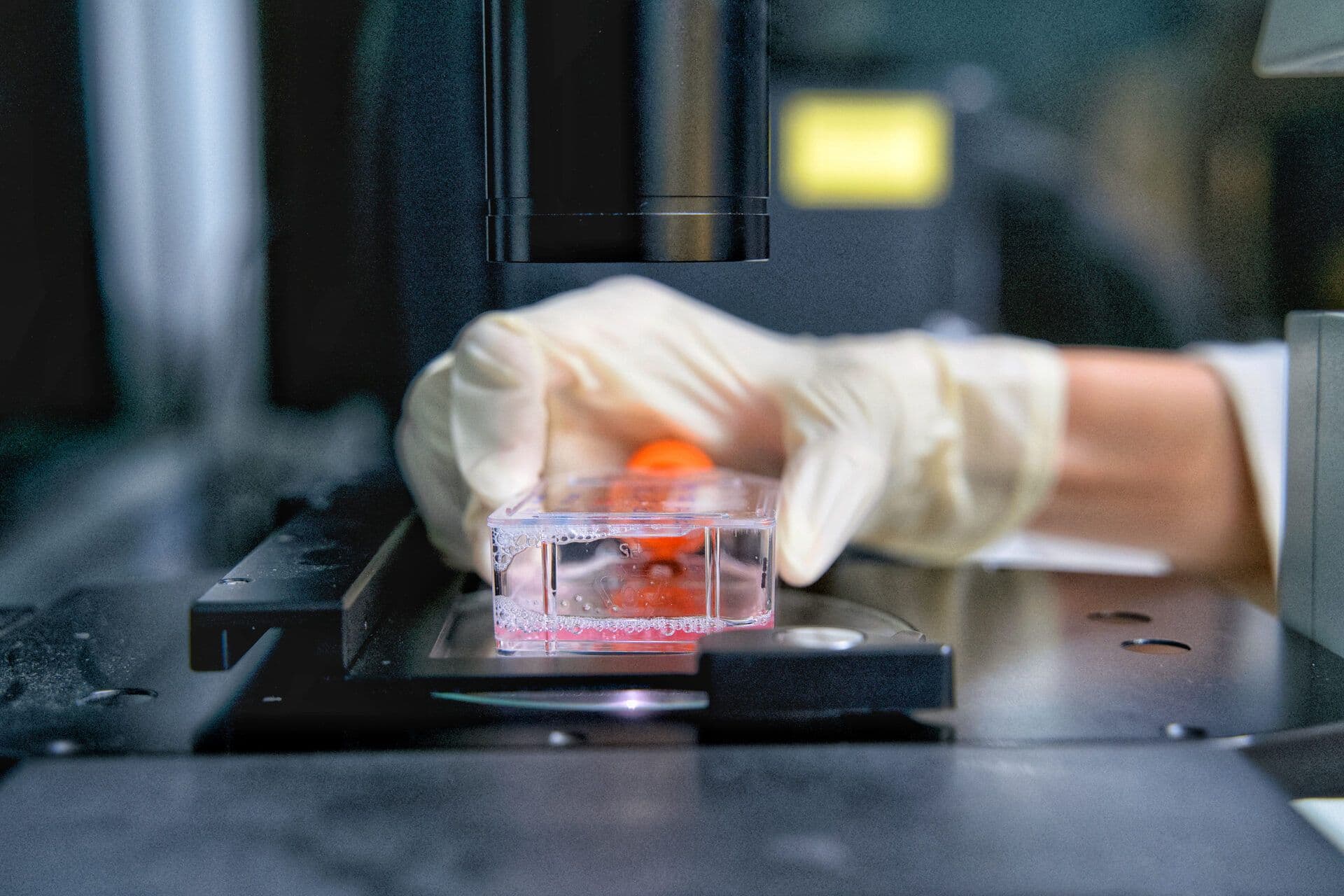
How the OrgCan platform grows 3D organoids directly from patient biopsies to preserve tumour architecture, microenvironment and genetics for precision oncology.
 Research
Reconstructed human tissues reproduce the architecture, barrier function and molecular responses of real human tissue - so results translate to people, not a different species.
 Company
A look at the 6,000 sq ft Bengaluru facility - three cell-culture labs, a microbial lab, and an analytical suite - built to run complex biofabrication at scale.
From biopsy intake to insight in 7–14 days. We'll scope the assay, run the panel and deliver the data - yours to take to clinic.