
Patient-derived cancer organoids, explained
How the OrgCan platform grows 3D organoids directly from patient biopsies to preserve tumour architecture, microenvironment and genetics for precision oncology.
Patient-derived cancer organoids (PDCOs) bridge the gap between early research and clinical success. Grown directly from biopsy tissue, they preserve the genetic, genomic and phenotypic characteristics of the original tumour.
From biopsy to insight
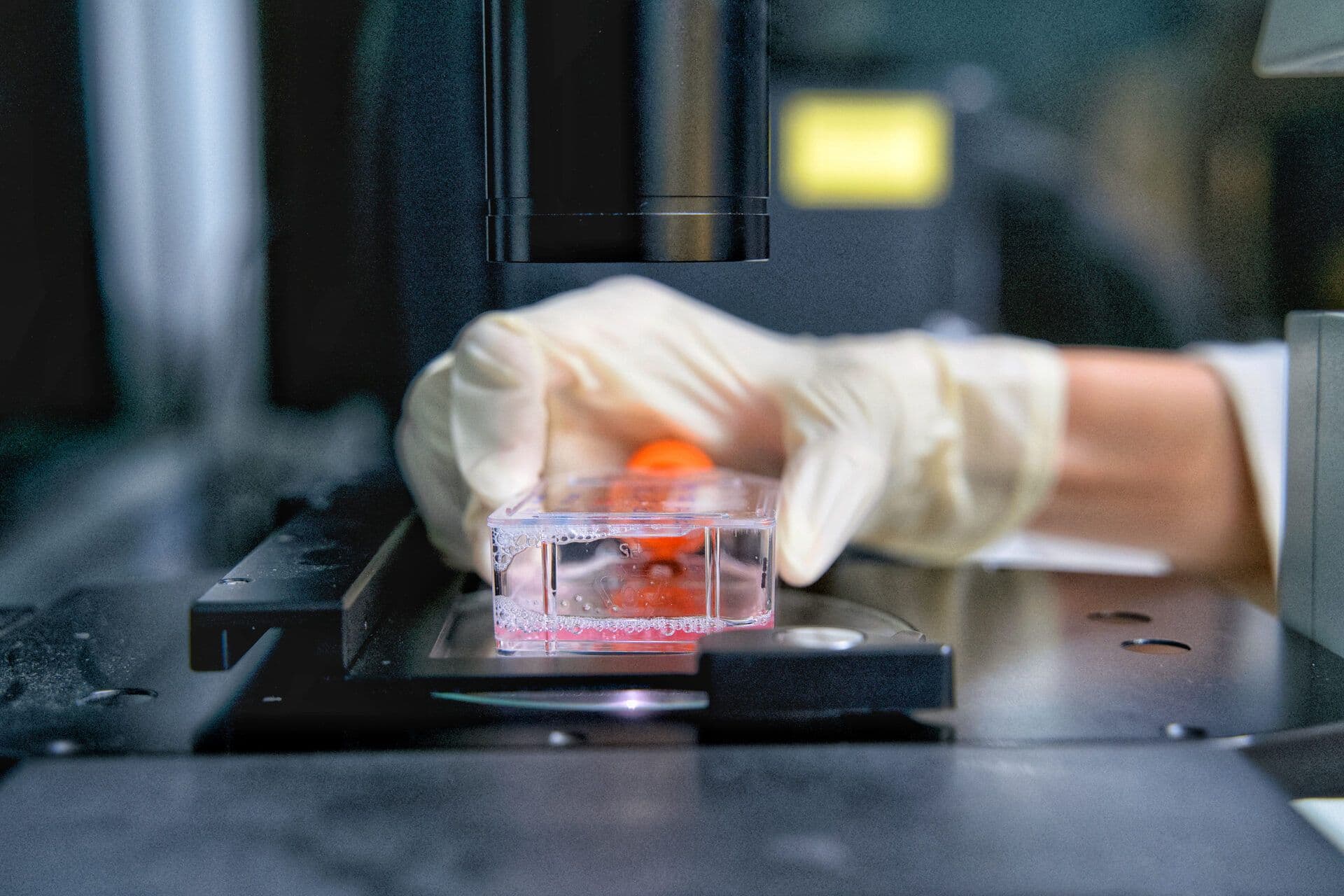
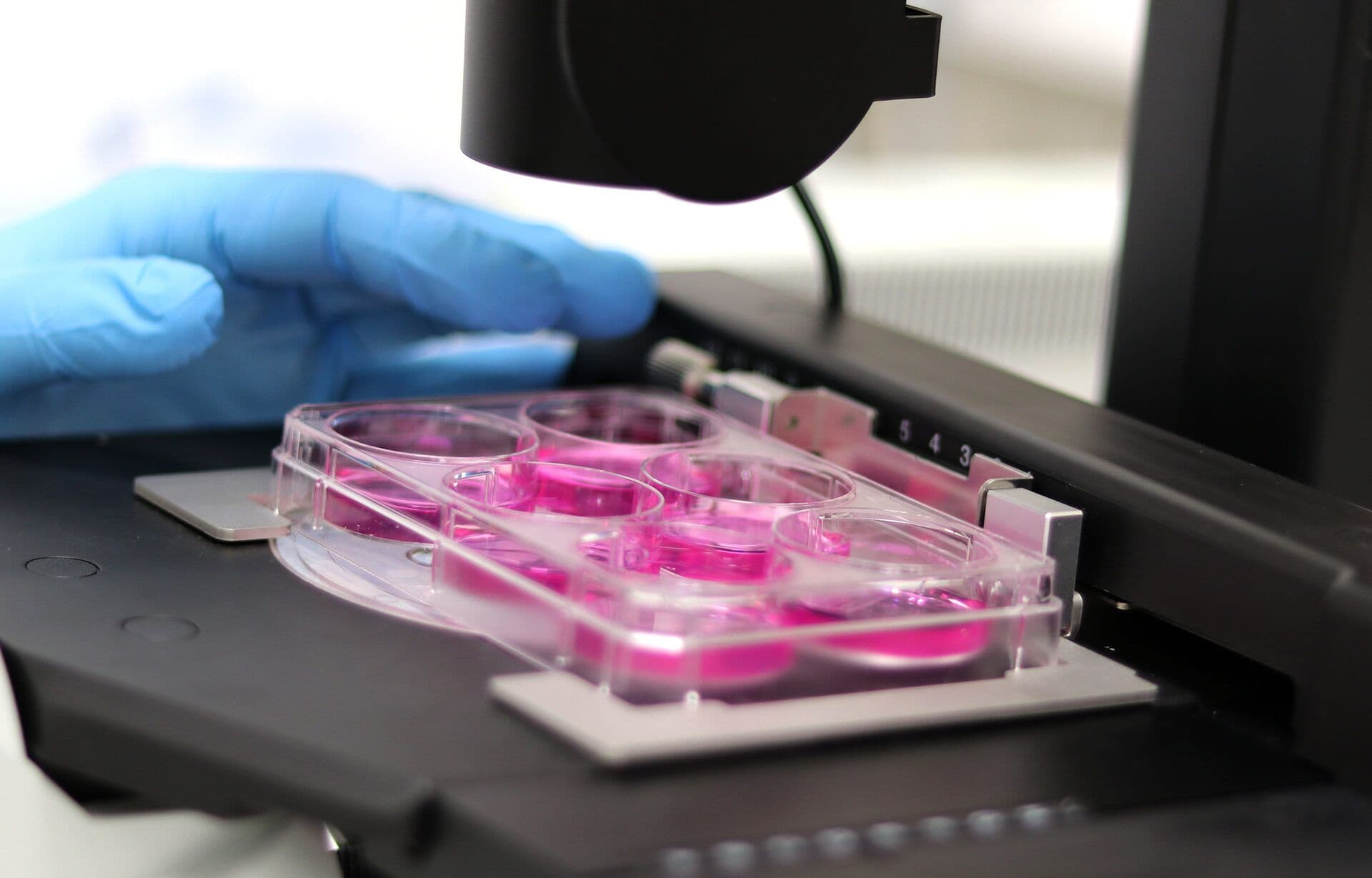
Fresh tumour tissue is processed, enzymatically digested and embedded in a 3D matrix in tumour-specific media. Organoids form over one to two weeks, are characterised against identity markers, and are then exposed to therapy panels.
What this unlocks
- High-throughput screening of compound libraries
- Drug-response prediction with IC₅₀ and AUC
- Sensitive / Intermediate / Resistant classification
- Tumour-microenvironment co-culture with immune and stromal cells
Because each organoid reflects an individual patient, the platform supports both pipeline screening and personalised oncology strategies.