
Why human-relevant models predict better than animal tests
Reconstructed human tissues reproduce the architecture, barrier function and molecular responses of real human tissue - so results translate to people, not a different species.
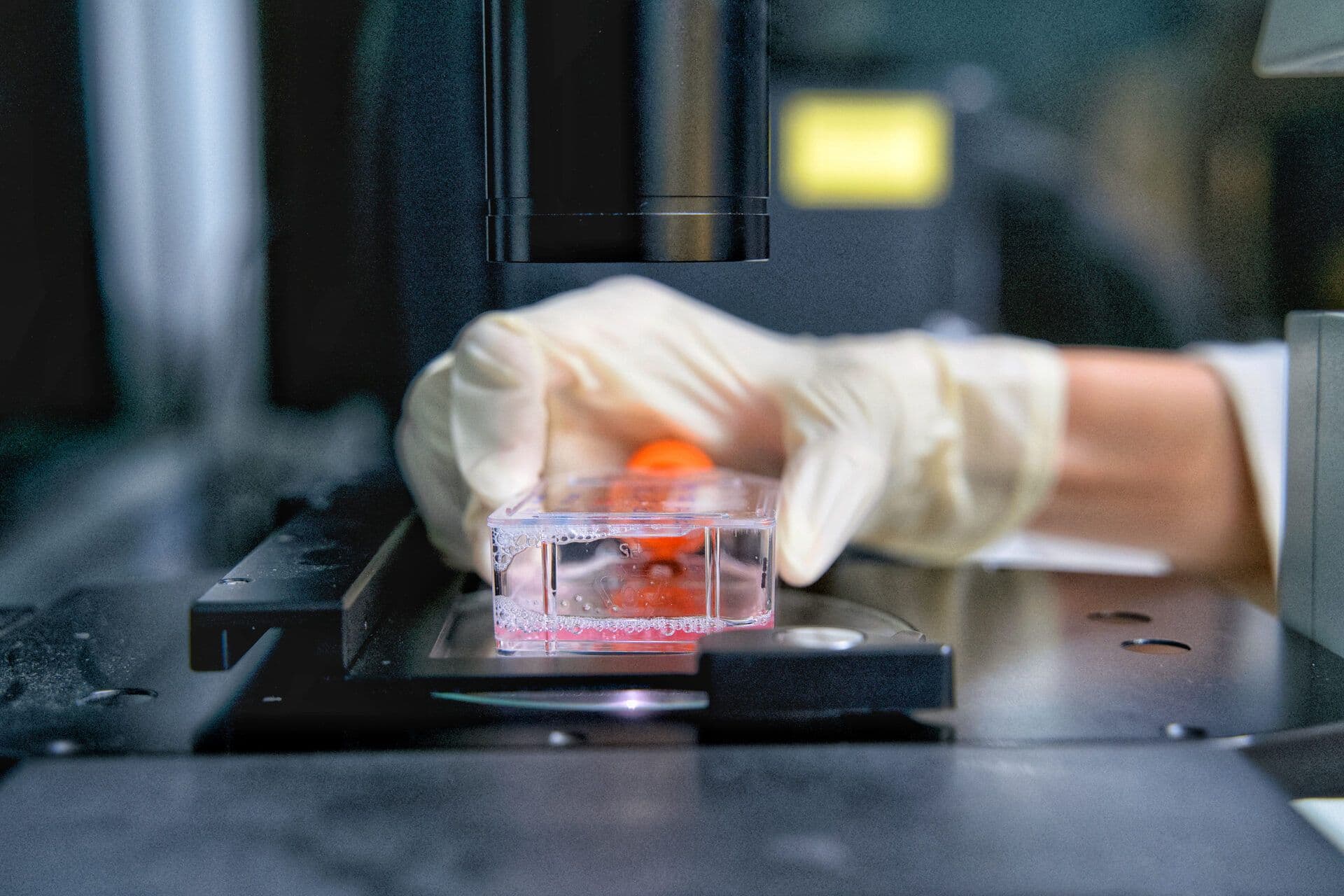
Non-Animal Methods (NAMs) are no longer a compliance footnote - they are becoming the scientific standard for preclinical research. The reason is simple: a model built from human cells answers a human question.
Architecture that behaves like tissue
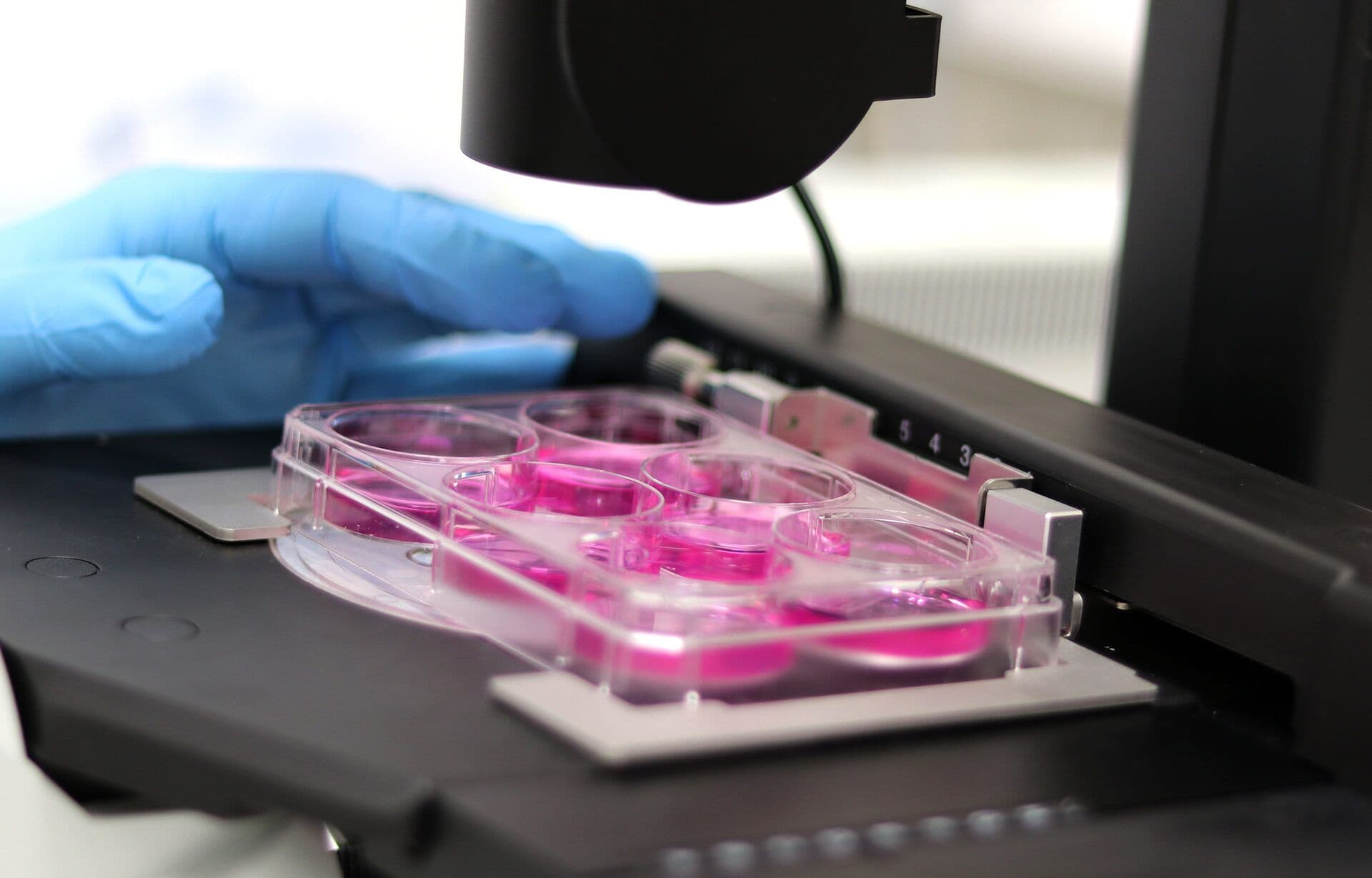
Our reconstructed epidermis and full-thickness skin models are built from primary human cells cultured at an air-liquid interface. They recapitulate the stratum corneum, basale, spinosum and granulosum, with barrier integrity confirmed by histology and TEER.
Endpoints you can stake a submission on
Every study is reported against standardised, recognised readouts:
- qRT-PCR for gene-expression profiling
- ELISA for protein quantification
- TEER for barrier integrity
- Histology and SEM for structural validation
The result is reproducible, human-relevant data that supports OECD- and FDA/EMA-aligned decision making - without the species-translation gap of animal testing.